How Do You Understand the Philosophy of Education?
Every educational system builds off an underlying philosophy of education. This philosophy lays out the purpose of learning, the ways in which loaders convey knowledge, and the growth of both the intellectual and moral aspects of the learners. Identifying this philosophy gives insight into the methods societies use to convey knowledge and values, as well as skills and traditions throughout the generations.
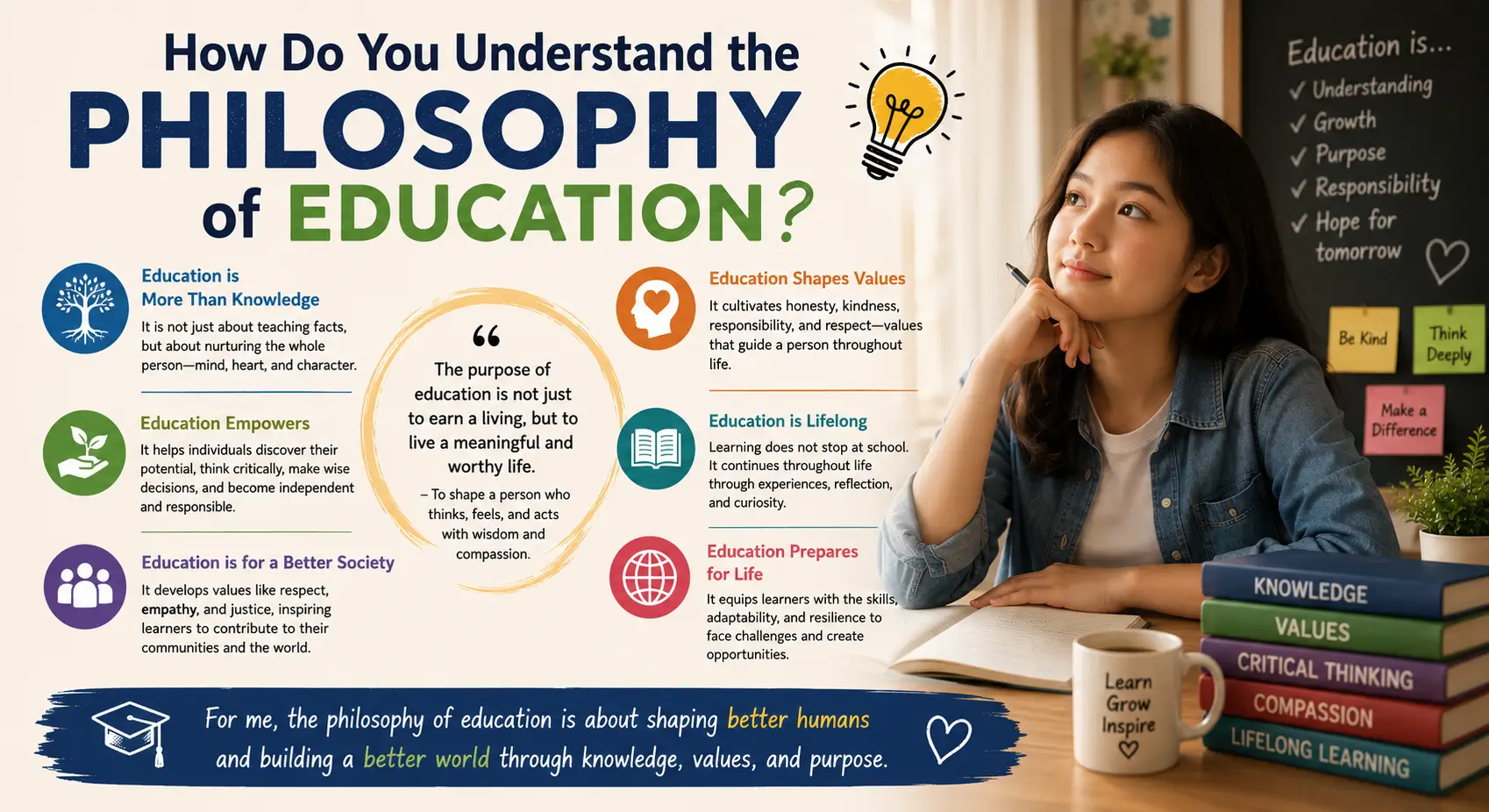
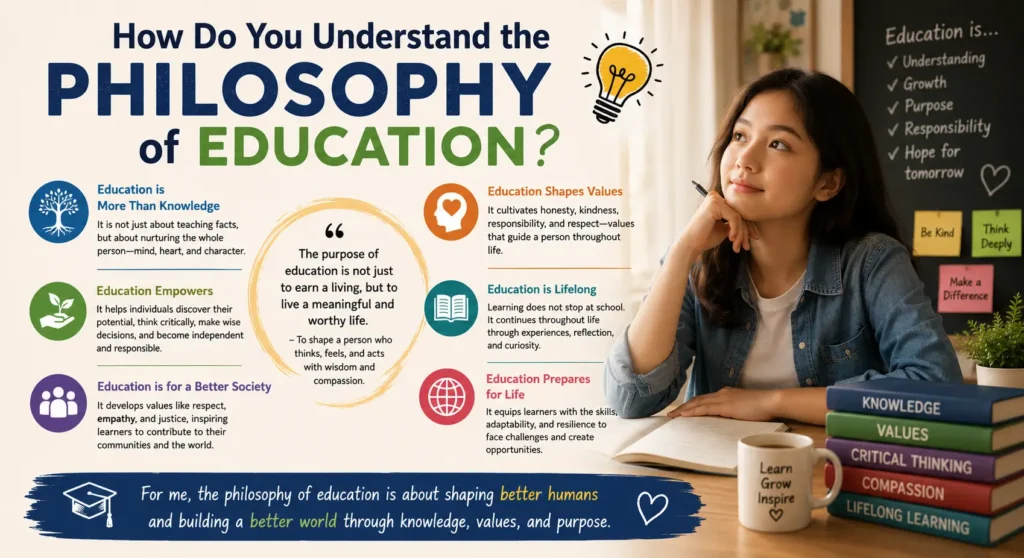
Education encompasses more than teaching someone how to solve problems or take a test. It is the development of the individual, including their ability to think critically and creatively. Education can be both good or bad depending on the way that it is approached. This philosophy determines the ‘what’, ‘why’, and the ‘how’ about learning.
To really see education in practice, one must have an understanding of the values and guiding principles of the different societies throughout history. This gives insight into the how education is viewed and the dynamics within a society when it comes to the development of an individual.
Meaning of the Philosophy of Education
The philosophy of education combines the two main diametrically opposed components of philosophy and education. Philosophy investigates the things that are real or true, as well as the fields of ethics and of knowledge. Education is about the teaching and learning of individuals and their overall development.
This philosophy seeks to establish answers to the following:
What is the actual aim of education?
Which knowledge is of most worth?
In what ways do learners most effectively learn?
What is the ideal makeup of a teacher?
What is the ideal role of an institution of learning as a part of the community?
In answering the above questions, the philosophy of education creates a foundation from which teaching and learning can be effective and worthwhile.
Developing Intellectual Growth
Education focuses on promoting students’ intellectual development. Through education, students are able to develop reasoning, analysis, and problem-solving skills. In the philosophy of education, curiosity and reasoning should be encouraged as opposed to the passive memorization of information.
Building Moral and Ethical Character
Education should not only be about the attainment of knowledge, but also the attainment of honesty, caring, self-discipline, integrity, and responsibility. Education philosophers state that schools are an important system in the development of citizens that are ethical, and who can make a meaningful contribution to society.
Preparing Individuals for Society
Education prepares individuals to take an active and constructive part in social, economic, and political activities. It makes individuals aware of cultural values and the principles of democracy as well as social obligations. The philosophy of education is rooted in the ideals of social reconciliation and harmonious living.
Encouraging Personal Fulfillment
Persons are different in their abilities and aspirations. Education should help the learner to discover his or her particular skills, interests, and personal goals in life. In the philosophy of education, self-fulfillment and the pursuit of learning throughout one’s life is strongly advocated.
Major Philosophies of Education
Idealism in Education
Education philosophers are in agreement about the role of morals and the spirit in the realm of ideas and education. In their view, education should be primarily about the development of the mind and the character of the individual.
Key Features of Idealism
- moral education
- promotion of intellectual development
- instruction that is largely teacher-centered
Idealists hold that in education, the end is not the attainment of relative truths; rather, it should be the attainment of the eternal truths and the universal values and the elevation of thought to the loftiest realms.
Realism in Education
Education in Realism fears the role of the invisible and the unreachable. Realist educators argue that knowledge comes through sensory experience and scientific observation.
Realism in Education
With a focus on scientific understanding, realism values the measurable facts of the world and manifestations of practical knowledge. It stresses learning through observation and the development of critical insight in order to cope with everyday situations.
Pragmatism in Education
Pragmatism interprets education as a series of experiences and problems that are resolved through learning by performing, experimenting, and social interaction.
Main Principles of Pragmatism
Learning by doing
Pragmatism considers the learner as the focal point of the educational enterprise, who is readily solving day-to-day problems and is adaptable to the alterations of the curriculum.
Pragmatist philosophers hold that knowledge is in a constant state of flux, and thus education keeps in step with the changes in society and technology.
Existentialism in Education
As a philosophy, Existentialism lays emphasis on the freedom of the individual and self-determination. This philosophy of existentialism develops students’ identities and urge them to make choices that will have a profound effect on the course of their lives.
Features of Existentialist Education
- Self-directed learning
- Distinctive individuality
Existentialism in Education is the prime focus on individual freedom and self-determination. Life is in constant change, and the students are free to give direction to their learning.
Importance of Understanding the Philosophy of Education
Guides Educational Policies
Educational philosophies shape and guide the national or community curricula, the school system, and the levels of instruction and/or the standard of teaching. When countries wish to plan or carry out educational reforms, they anchor the changes on educational philosophies.
Improves Teaching Methods
Understanding educational philosophy enables the teacher to select suitable instructional techniques that are in the best interest of the learner. In fact, the philosophy of education provides the foundations of the learning experiences that the teacher constructs.
Shapes Curriculum Development
The philosophy of education provides the basis of the paradigms of knowledge and human growth in the planning of a curriculum. This philosophy determines which disciplines ought to assume precedence in the teaching and in what forms these disciplines ought to be instructed.
Strengthens Teacher Identity
Educational philosophy guides teachers toward the articulation of what they value in education and their approach to teaching. It values a reflective and evaluative approach to teaching.
Connection between Education and Society
Both education and society are related to each other. Schools are microcosmic societies. Social values, cultural traditions, economic systems, and the political systems all integrate in schools the way they do in the society. However, education also has tremendous potential to restructure and modernize society, promote equality, and innovate.
Final thoughts
Educational philosophy helps in the teaching and learning process by giving the moral and intellectual reasons for doing so. It justifies the reason for various ways of teaching, the functions of various people in the education process and the relationship between the educational institutions and the other social institutions. Educational philosophy enables us to understand the role of education in developing individuals and in advancing society and civilization.
A good educational philosophy encourages the development of the intellect, morals, and imagination. It instills civic responsibility and a love of learning something useful that people go on to possess for the rest of their lives and that makes them good and useful citizens in society. Such learning is necessary in the current world for the sustenance and development of social order and civic upbringing in all the areas of life for generations yet to come.